


How to Get Your First 100 Website Visitors as an Artist
One of the most discouraging moments for many artists is launching a website and realizing that nobody is visiting it.
Enjoying the content? Buy me a coffee to keep it coming ☕
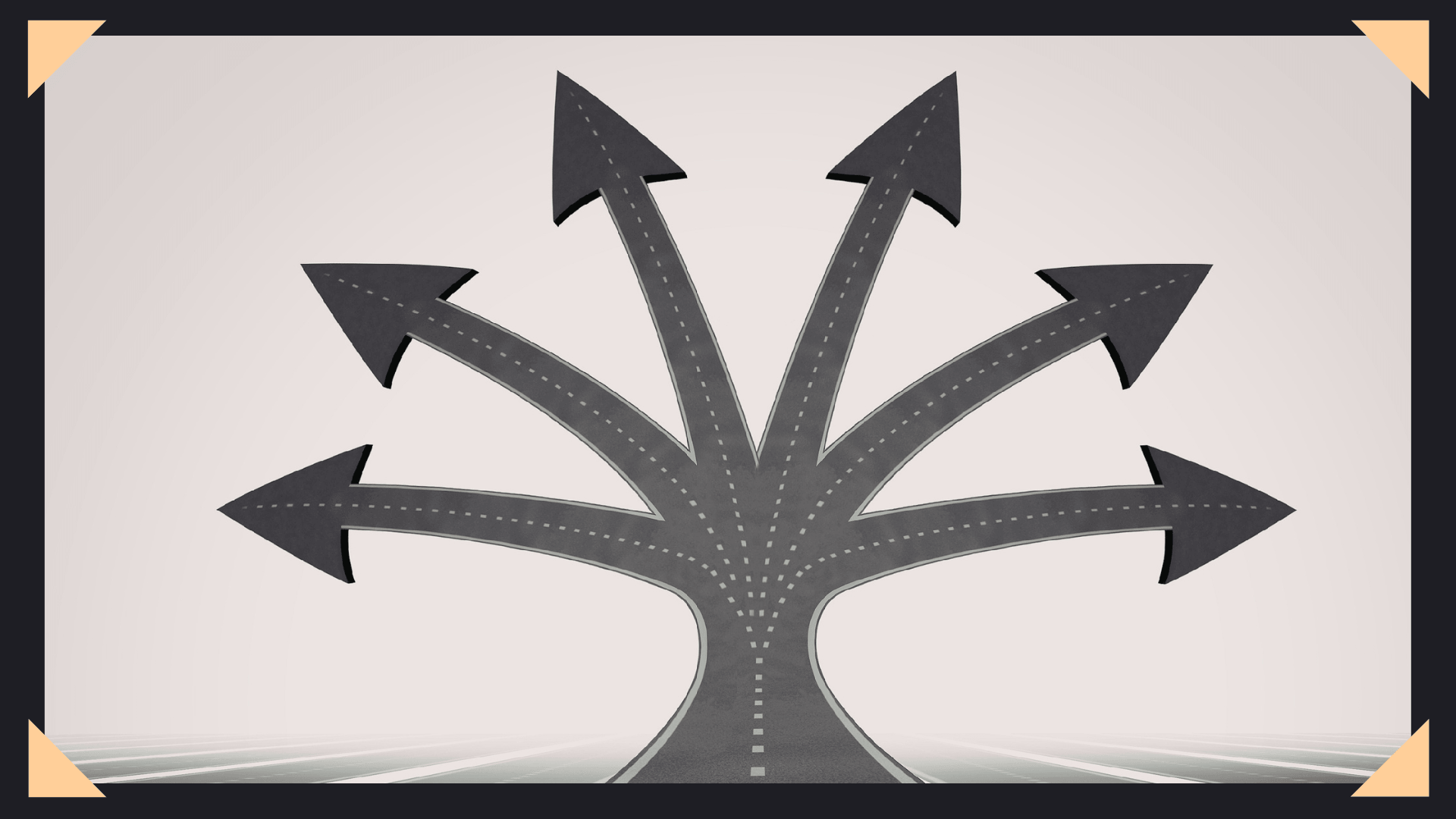
Many artists believe they need to constantly create new artwork to make more money.
The logic seems reasonable. More artwork should equal more opportunities to sell.
But what if the opposite were true?
What if instead of creating more artwork, you focused on getting more value from the artwork you’ve already created?
One of the biggest advantages digital artists have is the ability to repurpose a single piece of artwork into multiple products. The artists who build sustainable businesses often aren’t creating ten times more artwork than everyone else. They’re simply extracting ten times more value from each piece they create.
If you’re relying entirely on commissions for income, learning how to repurpose your work can become one of the most powerful skills in your business toolkit.
Let’s explore how a single piece of artwork can become multiple revenue streams.
Imagine spending twenty hours creating a detailed character illustration.
You finish the piece. You post it online. Maybe you sell a print. Maybe you get a few likes. Then you move on to the next project.
The artwork generated a small amount of value and then essentially retired.
This is how many artists unknowingly limit their income. Each piece becomes a one-time event instead of a long-term asset.
A better approach is to view your artwork as intellectual property. Once created, it can often be transformed into multiple products that continue generating value over time. This shift in thinking is often what separates artists who are constantly chasing new clients from those who are building sustainable artist income streams.
If you’ve ever wondered what else you can sell beyond client work, check out What to Sell as an Artist Besides Commissions for additional product ideas that can complement your artwork.
A finished illustration can often become far more than a single image. It can become a collection of products, educational resources, marketing assets, and recurring revenue opportunities.
The most obvious starting point is art prints. Whether you sell physical prints or use a print-on-demand service, prints allow fans to purchase your work without commissioning custom artwork. While individual sales may be modest, they can create ongoing income from artwork you’ve already completed.
The same illustration can also be transformed into digital wallpapers for desktops, phones, and tablets. Because these products are delivered digitally, there’s no inventory to manage and no shipping involved. This makes them one of the easiest digital products for artists to create and sell.
Many artists also find success by combining multiple illustrations into themed poster packs or digital collections. A fantasy character series, sci-fi collection, or anime-inspired set can often command a higher price than a single image because customers perceive greater value in a bundle.
Another option is printable art. Instead of shipping physical products, customers receive high-resolution files they can print themselves. This keeps fulfillment simple while creating an additional passive income stream from existing artwork.
Finished illustrations can also become coloring pages. By simplifying linework, removing colors, and creating printer-friendly versions, artists can appeal to hobbyists, students, and creative communities looking for interactive products.
Some artists discover that the resources they use during creation are valuable products as well. Unique brushes, texture packs, pattern collections, and asset libraries often attract other artists who want to improve their own workflow. In some cases, creators earn more from selling their tools than from selling artwork itself.
Your artwork can also become educational content. The finished piece contains knowledge, decisions, and techniques that other artists may be eager to learn. A single illustration can support process breakdowns, written tutorials, video lessons, or step-by-step guides.
If you’re building a membership or premium community, one piece of artwork can generate weeks of content. The final image, sketch process, coloring decisions, brush recommendations, time-lapse recordings, and lessons learned can all become separate pieces of member-exclusive content.
Artwork can also inspire templates and resources. Character design worksheets, composition guides, color-planning systems, and creative workbooks often begin as personal tools that eventually become products. The artwork itself serves as the example that demonstrates how the system works.
Finally, one of the most overlooked uses of artwork is marketing. A single illustration can fuel blog graphics, Pinterest pins, portfolio updates, newsletter content, social media posts, and promotional campaigns. Rather than generating direct revenue, these assets help attract future customers and clients.
Many artists follow a simple cycle: create artwork, sell it once, and start over.
While there’s nothing wrong with commissions, relying entirely on client work can make income unpredictable. Repurposing artwork allows each project to continue working long after it’s finished.
This approach creates leverage. Instead of every new dollar requiring new client work, existing artwork continues generating opportunities. Over time, those opportunities compound into a collection of products, assets, and revenue streams that provide greater stability.
This is one reason many successful creators focus on building digital products alongside commissions. If you’re looking for more ways to diversify your income, you may also enjoy How Artists Make Money Without Taking More Commissions, which explores additional strategies for generating revenue beyond client work.
You don’t need to launch ten products overnight.
Start with a single completed piece of artwork and ask yourself how many ways it can provide value.
A character illustration might become a printable art file, a wallpaper pack, a tutorial, and several Pinterest graphics. That’s already multiple assets created from a single project.
As you repeat this process, your collection of products grows. Instead of every illustration being a one-time sale, each piece becomes part of a larger business ecosystem that supports long-term growth.
When you’re ready to begin selling digital products, owning your own website gives you far more control over your business. Learn how to get started with How to Sell Digital Products on WordPress (Without Relying on Marketplaces) and discover why many artists prefer building on their own platform.
You may also want to compare your options in WordPress vs Etsy for Artists — Which One Actually Makes You More Money?, where we break down the long-term advantages and limitations of each approach.
One of the fastest ways to increase your income as an artist isn’t necessarily creating more artwork. It’s maximizing the value of the artwork you’ve already created.
A single illustration can evolve into numerous products, educational resources, membership content, and marketing assets. The more ways you can repurpose your work, the less dependent you become on constantly finding new commission clients.
That’s where true leverage begins.
And for many artists, leverage is the bridge between surviving creatively and building a sustainable business.
Want more ideas for turning your artwork into income?
Download the Passive Income Starter Kit for Artists and discover practical ways to build digital products, diversify your revenue streams, and create a creative business that isn’t dependent on commissions alone.
One of the most discouraging moments for many artists is launching a website and realizing that nobody is visiting it.
If you’re struggling to get commission inquiries, your artwork may not be the problem. Many artists assume that getting clients

If you’re building an artist website, it’s easy to focus on the wrong things. Many artists spend hours choosing colors,

Create beauty. Build it online—without the tech overwhelm.
Create beauty. Build it online—without the tech overwhelm.