
Why Digital Artists Should Have Clean Pencil Art
Why Digital Artists Should Have Clean Pencil Art Let’s be honest for a second—most digital artists don’t love the sketch

Failure is one of the most misunderstood parts of entrepreneurship—especially in the creative world. We’re often shown polished success stories: thriving shops, viral artwork, six-figure launches. What we don’t see are the missteps, the quiet pivots, the abandoned ideas, and the lessons learned the hard way.
I’ve had my share of business failures. Some were small miscalculations; others felt like complete resets. But looking back, I wouldn’t erase any of them. Each one taught me something I couldn’t have learned from a course, a YouTube video, or a business book.
This is what I learned—and how those lessons are shaping a more intentional, sustainable approach as I transition back into building a creative business.
One of my earliest mistakes was assuming that because I loved creating something, other people would automatically want to pay for it.
I poured time into projects that felt creatively fulfilling but didn’t solve a clear problem or meet a specific demand. I thought passion alone would carry the business forward.
It didn’t.
What I learned is this: passion is the fuel, but value is the engine. A creative business thrives at the intersection of what you enjoy and what people actually need or desire.
Now, before I invest time into a new idea, I ask:
This simple shift has saved me countless hours and helped me focus on ideas that have real potential.
In the beginning, I spent way too much time trying to perfect everything—my website, my branding, my portfolio. I delayed launching, posting, and promoting because I didn’t think things were “ready.”
Meanwhile, opportunities passed me by.
The truth is, people can’t support what they don’t see.
One of my biggest lessons was realizing that consistency beats perfection. A slightly imperfect product that’s visible will always outperform a perfect product that no one knows about.
Now, I prioritize:
Growth started happening when I stopped hiding behind perfection and started embracing visibility.
As I transition back into the art world, one of the biggest challenges I’ve faced is feeling like I need to prove myself all over again.
Even though I’ve already built experience as a freelancer in tech—working with clients, delivering projects, and operating professionally—there’s been this internal pressure to start from zero in art. That mindset showed up in subtle ways: over-delivering, undercharging, or feeling like I needed to say yes to every opportunity just to gain traction.
But I’ve started to recognize this for what it is—a transition, not a reset.
I’m not starting over. I’m bringing a foundation with me.
What I’m learning in this phase is that I don’t need to fall back into “prove-it” work to build momentum. Instead, I can be intentional:
This shift is still something I’m actively working through. But the more I embrace the idea that my past experience still counts, the easier it becomes to move forward with confidence instead of hesitation.
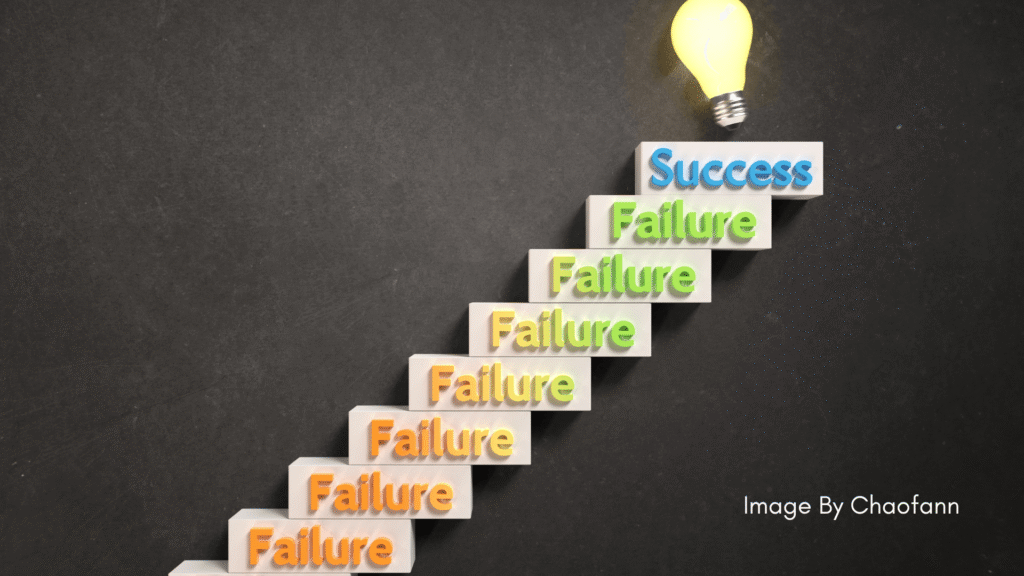
For a long time, I thought that my creative ability alone would get me by. I thought being good at what I do would be enough.
It wasn’t.
Without systems, everything felt chaotic—client communication, project management, payments, content creation. I was constantly reacting instead of building something stable.
Failure forced me to realize that a business is more than just talent—it’s structure.
Now I focus on building systems like:
These systems created consistency, reduced stress, and made my business feel like an actual business—not just a series of random gigs.
One of the most defining parts of my journey wasn’t just failure—it was transition.
There were seasons where I wasn’t working in art at all. Instead, I was building in tech as a freelancer—developing websites, working with clients, and creating digital solutions. In many ways, that experience sharpened my skills, gave me structure, and taught me how to operate professionally.
But when I transitioned back to art, something unexpected happened.
I hesitated.
Even though I had the skills, the experience, and the ability to create, I struggled with promoting my services. I told myself that if my work was good enough, the audience would come. That people would just find me.
They didn’t.
What I learned during that phase is that visibility isn’t optional—it’s a responsibility. Especially when you know you have something valuable to offer.
There was also an underlying fear:
So instead of promoting consistently, I stayed in the background—creating, but not sharing. Building, but not marketing.
And that kept me stuck.
The turning point came when I realized this: your audience can’t choose you if they don’t see you.
Now, I approach promotion differently:
That shift—from waiting to being intentional—changed everything.
One of my biggest mistakes was building products before building an audience.
I would create something, launch it, and then wonder why no one was buying.
The missing piece? People.
An audience isn’t just about numbers—it’s about connection, trust, and visibility. Without it, even great products struggle to gain traction.
Pricing has been one of the most humbling parts of transitioning back into art.
In tech freelancing, I reached a point where I understood how to price my services based on value, scope, and expertise. There was clarity there. I began to have some structure and confidence.
Coming back into art, though, it hasn’t felt as straightforward.
There’s been a tension between what I know about pricing from my tech background and what I feel stepping back into a creative space—especially when rebuilding visibility and audience. It’s easy to question whether people will pay, whether the market will respond, or whether I need to “ease in” with lower rates.
But what I’m actively relearning is this: my experience didn’t disappear—it just needs to be repositioned.
I’m not pricing as someone brand new. I’m pricing as someone who:
Right now, my approach is evolving. I’m finding the balance between being accessible while still honoring the value of my work.
And more importantly, I’m learning to let my pricing grow with me—rather than shrinking it out of uncertainty.
This stage isn’t about having it perfectly figured out. It’s about building confidence in real time—and allowing my pricing to reflect that as I continue to establish myself in this next chapter.
There was a point where I was constantly exhausted—taking on too much, saying yes to everything, and working without boundaries.
At first, I thought the problem was me. Maybe I just needed to work harder or be more disciplined.
But burnout wasn’t a personal flaw—it was a sign that my business model wasn’t sustainable.
I had built something that depended on constant output without rest.
So I made changes:
Now, sustainability is part of my strategy—not an afterthought.
At the time, each failure felt like a dead end. But in reality, they were signals pointing me in a better direction.
A failed launch showed me I needed better marketing, and
A failed idea pushed me to refine my niche.
Failure only becomes a waste if you ignore it.
Now, instead of asking “Why didn’t this work?” in a negative way, I ask:
This mindset shift turned failure into one of my most valuable tools.
One of the biggest realizations I’ve had is that your first business idea doesn’t have to be your final one.
I used to think changing direction meant I failed.
Now I see it as growth.
As I’ve learned more about my strengths, my interests, and my goals, my business has naturally evolved. And that evolution has made it stronger—not weaker.
You’re allowed to pivot.
You’re allowed to refine.
You’re allowed to outgrow what you once built.
The biggest difference between my past failures and my current approach comes down to one word: intentionality.
Before, I was reacting—trying things randomly, chasing trends, and hoping something would stick.
Now, I’m deliberate.
I make decisions based on:
Every offer, every piece of content, and every system has a purpose.
That shift alone has made my business feel more aligned, more focused, and more resilient.
Failure isn’t something to avoid—it’s something to learn from.
Every misstep I’ve had—including stepping away from art, building in tech, and finding my way back—has contributed to a deeper understanding of what it actually takes to build a creative business that works—not just creatively, but financially and sustainably.
If you’re in a season where things aren’t working, don’t rush to abandon everything. Take a step back and look at what the experience is teaching you.
Because sometimes, the lessons you learn from what didn’t work are the exact things that make your next move successful.
And when you stop waiting to be discovered—and start showing up intentionally—that’s when everything begins to change.
Why Digital Artists Should Have Clean Pencil Art Let’s be honest for a second—most digital artists don’t love the sketch
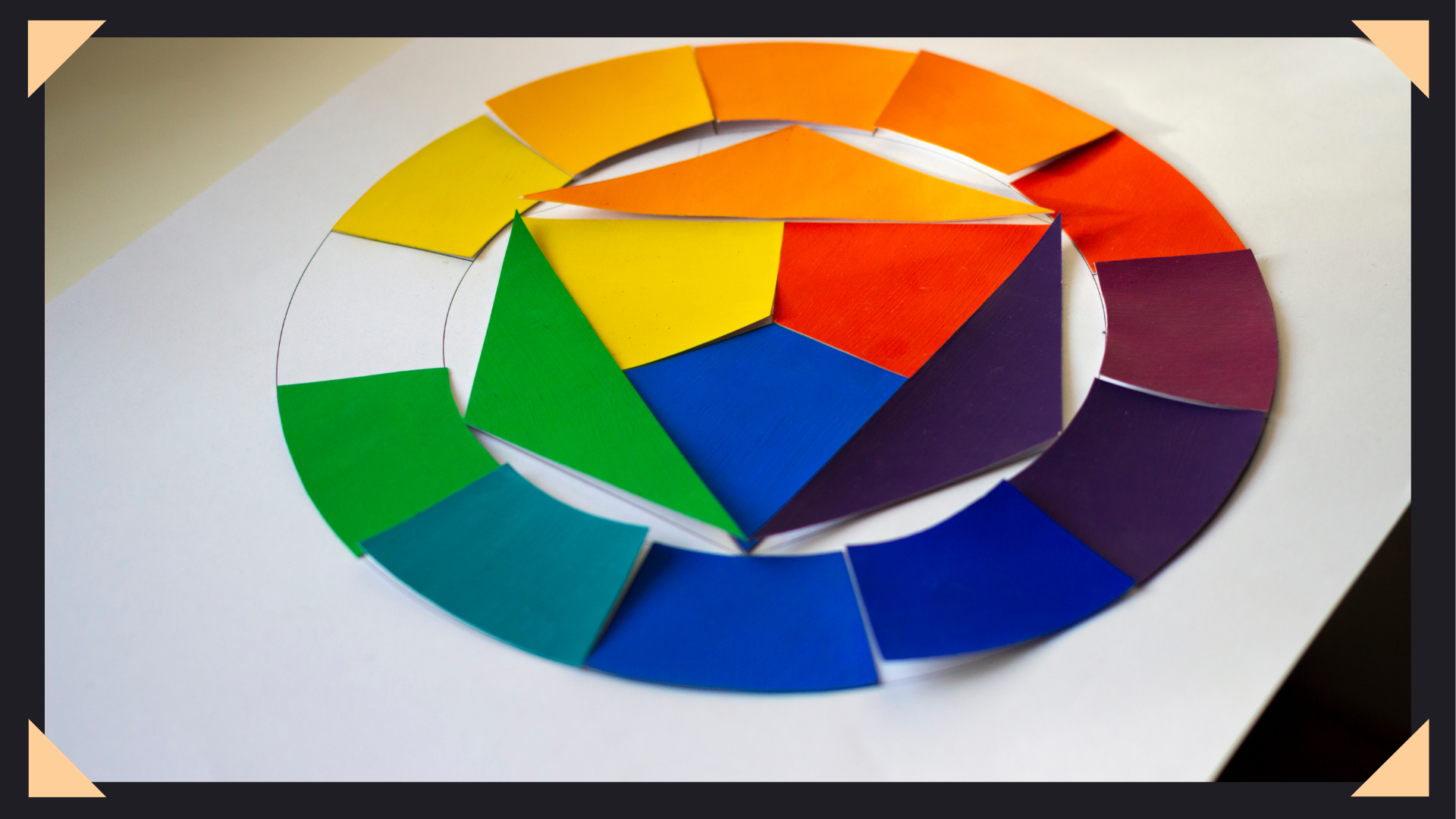
Color can make or break your artwork. As a digital artist, you can have perfect linework and composition—but if your

For digital artists, your website is more than just a gallery—it’s the face of your brand, a reflection of your