If you’re an artist trying to grow online, chances are you’ve been told to “just put everything in your link-in-bio.”
It sounds simple. Clean. Convenient. One link to rule them all, right?
But here’s the uncomfortable truth: that one little link might actually be slowing your growth way down. Let’s talk about why.
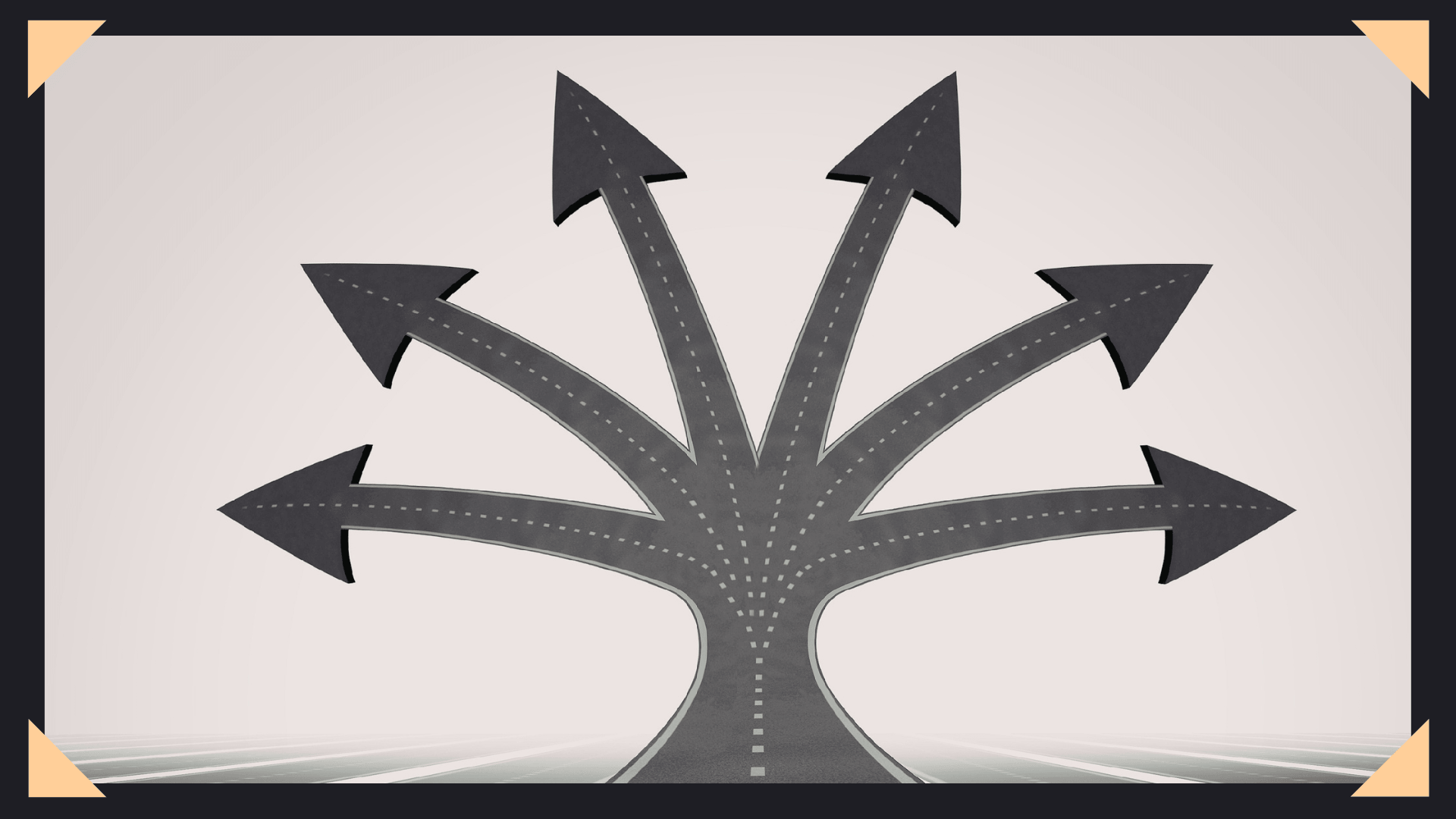
It Creates Too Many Choices (And Kills Conversions)
When someone clicks your link-in-bio, what do they usually see?
A long list of options:
- Portfolio
- Shop
- Commission info
- Newsletter
- Social links
- Freebies
It’s a lot. And when people are faced with too many choices, they don’t choose at all. They leave. This is called decision fatigue—and it’s one of the biggest reasons link-in-bio pages underperform. Instead of guiding your audience toward one clear action, you’re asking them to figure it out themselves. Most won’t.
It Breaks the Momentum You Worked Hard to Build
Think about how people interact with your content. They’re scrolling, they see your art, they like it, and maybe they’re even excited enough to click. But instead of landing exactly where they expected, they’re dropped onto a menu of links.
Now they have to stop and think again. What were they looking for? Which link should they click? That tiny pause is where you lose people. Momentum is everything online, and a link-in-bio interrupts it right when it matters most.
It Treats Every Visitor the Same
Not everyone in your audience wants the same thing, but a link-in-bio treats them like they do. Some people are ready to buy, some are curious about commissions, and others just want to follow along or grab something free. When you send all of them to the same place, you create friction instead of clarity.
Growth happens when you match the right person with the right next step. Instead of one generic hub, your content should lead people somewhere specific and relevant to what they just saw. That’s how you keep them engaged and moving forward.
It Limits Your Ability to Scale
If your goal is to turn your art into consistent income, you need more than visibility—you need a system. A link-in-bio page isn’t a system. It’s static. It just sits there, waiting for people to figure things out on their own.
Real growth comes from guiding people through a journey. When someone discovers your work, there should be a natural next step that leads them deeper—whether that’s joining your email list, downloading a free resource, or exploring a specific offer. Without that structure, you’re relying on luck instead of building something predictable.
It Keeps You Stuck in “Content Mode” Instead of “Business Mode”
One of the biggest hidden downsides of relying on a link-in-bio is how it shapes your mindset. Your strategy becomes posting content and hoping people click and figure things out. There’s no clear intention behind what happens next.
Shifting away from that forces you to think differently. You start asking better questions: what is this piece of content actually for, where should this person go next, and what action do I want them to take? That’s the difference between just posting and actually building a business.
So What Should You Do Instead?
Here’s a better approach:
1. Use direct links whenever possible
If you’re talking about commissions, link directly to your commission page. If you’re offering a freebie, send people straight to it. The fewer steps, the better.
2. Build simple funnels
You don’t need anything complicated. Even a basic flow—content to freebie to email to offer—works better than sending people to a general hub.
3. Match your links to your content
Every post, pin, or video should have a clear and relevant next step. When the destination matches the content, people are far more likely to take action.
4. Focus on one goal at a time
Trying to promote everything at once spreads your attention too thin. Choose one priority and guide your audience toward it clearly.
Final Thoughts
Link-in-bio tools aren’t inherently bad—they’re just overused and often relied on too heavily. They work fine as a backup or a directory for people who are already looking for you, but they shouldn’t be the center of your strategy.
If you want to grow as an artist and actually turn that growth into income, the shift is simple: stop sending everyone to one place, and start sending the right people to the right place. That’s where things begin to change.