


How to Get Your First 100 Website Visitors as an Artist
One of the most discouraging moments for many artists is launching a website and realizing that nobody is visiting it.
Enjoying the content? Buy me a coffee to keep it coming ☕
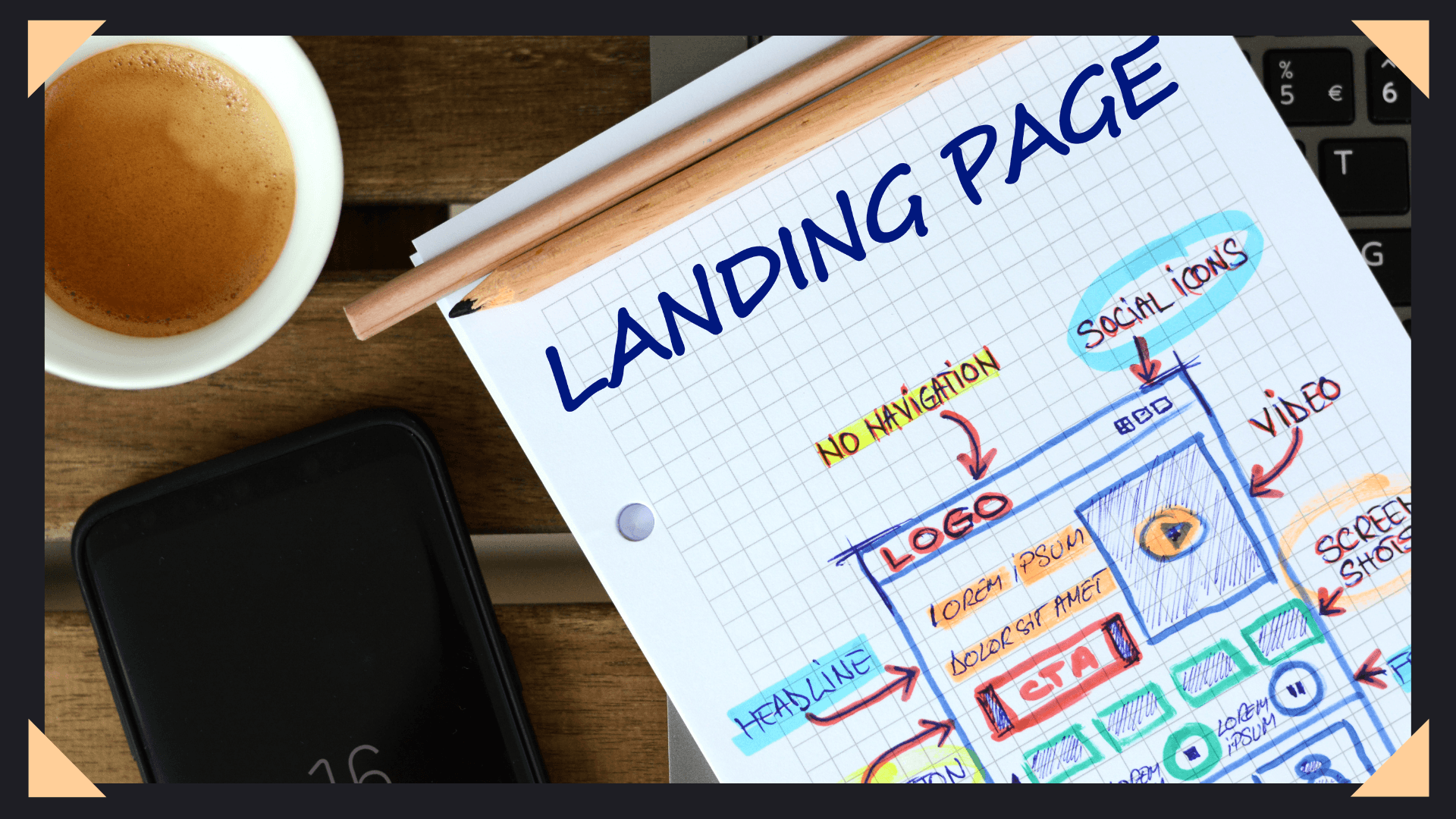
If you’re building an artist website, it’s easy to focus on the wrong things.
Many artists spend hours choosing colors, tweaking layouts, or searching for the perfect font. While design matters, the most important factor isn’t how your website looks—it’s whether your website helps visitors take action.
A website should do more than display artwork. It should help potential clients understand what you do, trust your expertise, and know exactly what to do next.
The good news is that most artists don’t need a massive website with dozens of pages. In fact, a simple website with the right pages often performs better than a complicated one. That’s one of the reasons every artist should prioritize building a website they own rather than relying entirely on social media platforms. If you’re still using social media as your primary online presence, be sure to read “Why Artists Need a Website (Not Just Social Media)“ to understand why a website is one of the most important business assets an artist can build.
Your homepage is often the first impression visitors have of your business.
Within a few seconds, people should understand who you are, what you create, who you help, and what action they should take next.
One of the biggest mistakes artists make is creating a homepage that focuses entirely on themselves. Instead, think about your audience.
What brought them to your website?
Are they looking to hire an artist?
Purchase artwork?
Learn from you?
Find resources?
Your homepage should immediately answer those questions.
A strong homepage typically includes a clear headline, a brief introduction, featured artwork, a call-to-action, and links to important pages.
For example:
“Fantasy Character Artist Helping Writers, Gamers, and Creators Bring Their Ideas to Life.”
That’s much more effective than simply saying:
“Welcome to my website.”
Remember: clarity beats creativity every time.
Your portfolio is where visitors evaluate your work.
This is not the place to upload every piece you’ve ever created.
Instead, showcase the work you want more clients to hire you for.
If you want character commissions, feature character artwork. If you want book cover projects, showcase book covers. If you want website design clients, display website projects.
The goal is to attract the right opportunities.
Organize your portfolio into categories whenever possible. This creates a better user experience and helps visitors find relevant work quickly.
A focused portfolio often converts better than a massive one.
This page is where visitors become potential customers.
Unfortunately, many artists hide commission information or make it difficult to find.
If someone wants to hire you, don’t make them hunt for details.
Your commission page should clearly explain what you offer, what clients receive, pricing ranges, your process, frequently asked questions, and how to contact you.
For example, you might list simple character illustrations between $100–$250, detailed character illustrations between $250–$500, and complex illustrations starting at $500+.
You don’t need exact pricing if every project is unique, but providing a general range helps qualify leads and reduce unnecessary inquiries.
The easier it is for someone to understand your services, the more likely they are to contact you.
Many artists underestimate the importance of their About page.
People don’t just buy artwork.
They buy from people.
Your About page helps visitors connect with you on a personal level.
You don’t need to write your life story. Instead, focus on who you are, why you create, what inspires your work, who you help, and what makes your approach unique.
Think of your About page as a bridge between your artwork and your audience.
This is especially important if you’re building a personal brand.
Clients often hire artists they feel connected to.
A strong About page helps create that connection.
Every artist website needs a dedicated contact page.
It sounds obvious, but many websites make contacting the artist surprisingly difficult.
Some rely entirely on social media messages. Others hide their contact information inside multiple menus.
Your contact page should be simple and include a contact form, email address, expected response time, and commission availability status.
A simple statement like “I typically respond within 48 business hours” can immediately set expectations and improve the client experience.
If commissions are closed, say so clearly. If you’re booking projects for a future date, mention that as well.
Clear communication builds trust.
While the five pages above are essential, there’s one additional page that can dramatically improve your website’s performance: a blog.
Many artists think blogging is only for writers.
In reality, a blog helps artists improve SEO, attract Google traffic, create Pinterest content, build authority, and grow an email list.
Every blog post becomes another opportunity for people to discover your work.
Articles such as “How to Get Art Commission Clients Without Social Media,” “How Artists Make Money Without Taking More Commissions,” “Color Theory for Digital Artists,” and “What to Sell as an Artist Besides Commissions” can continue attracting visitors long after they’re published.
Over time, your blog becomes one of your most valuable marketing assets.
A blog also works exceptionally well alongside email marketing. Every new article creates another opportunity to attract subscribers and stay connected with your audience. If you’re looking to build a more sustainable business that isn’t dependent on algorithms, read “How I’m Making My Email List the Lifeline of My Art Business“ to see why email marketing has become such an important part of long-term growth.
Many artists rely entirely on social media profiles.
The problem is that social media platforms are rented land.
Algorithms change.
Reach fluctuates.
Platforms come and go.
Your website is different.
It’s a digital home you own and control.
Instead of sending people to a link-in-bio page, send them to a website that showcases your work, captures email subscribers, and generates commission inquiries.
That’s where long-term business growth happens.
The good news is that building a website is easier than ever. Tools like Hostinger’s AI Website Builder allow artists to create professional websites without touching a line of code. If you’re just getting started, check out “Build Your WordPress Website in Minutes with Hostinger AI (No Coding Needed)“ for a beginner-friendly walkthrough.
An artist website doesn’t need dozens of pages.
In fact, most successful artist websites are surprisingly simple.
Start with these five essentials: a Home Page, Portfolio Page, Commission or Services Page, About Page, and Contact Page.
Then add a blog to increase traffic and support your marketing efforts.
Together, these pages create a strong foundation that can help you attract clients, grow an audience, and build a more sustainable creative business.
The goal isn’t to have the most complicated website.
The goal is to create a website that works for you.
Most artists never realize how many income opportunities they’re sitting on.
Download the Passive Income Starter Kit for Artists and discover how to transform your artwork, skills, and experience into new revenue streams.
One of the most discouraging moments for many artists is launching a website and realizing that nobody is visiting it.
Many artists believe they need to constantly create new artwork to make more money. The logic seems reasonable. More artwork
If you’re struggling to get commission inquiries, your artwork may not be the problem. Many artists assume that getting clients

Create beauty. Build it online—without the tech overwhelm.
Create beauty. Build it online—without the tech overwhelm.