
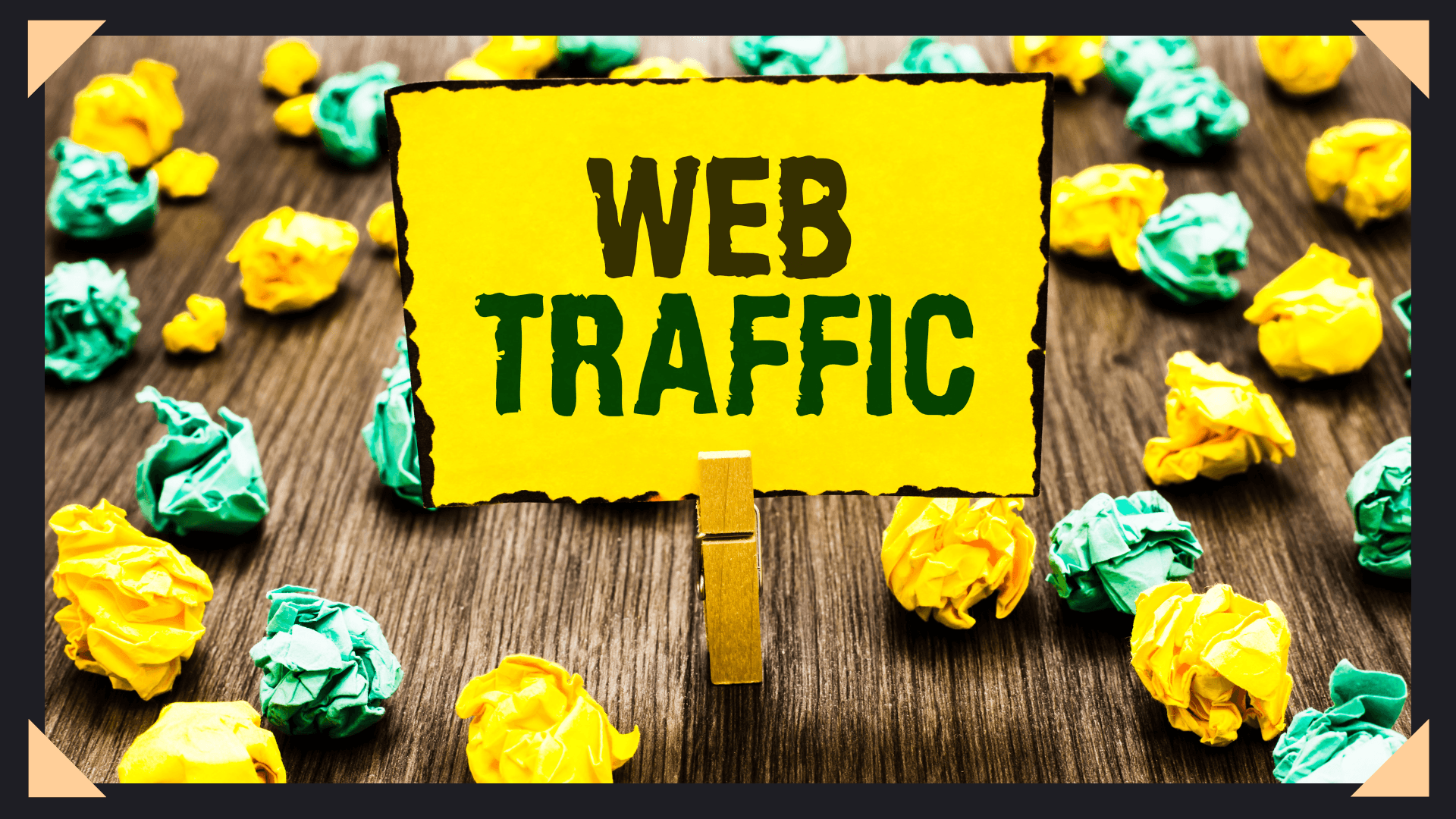

How to Get Your First 100 Website Visitors as an Artist
One of the most discouraging moments for many artists is launching a website and realizing that nobody is visiting it.
Enjoying the content? Buy me a coffee to keep it coming ☕
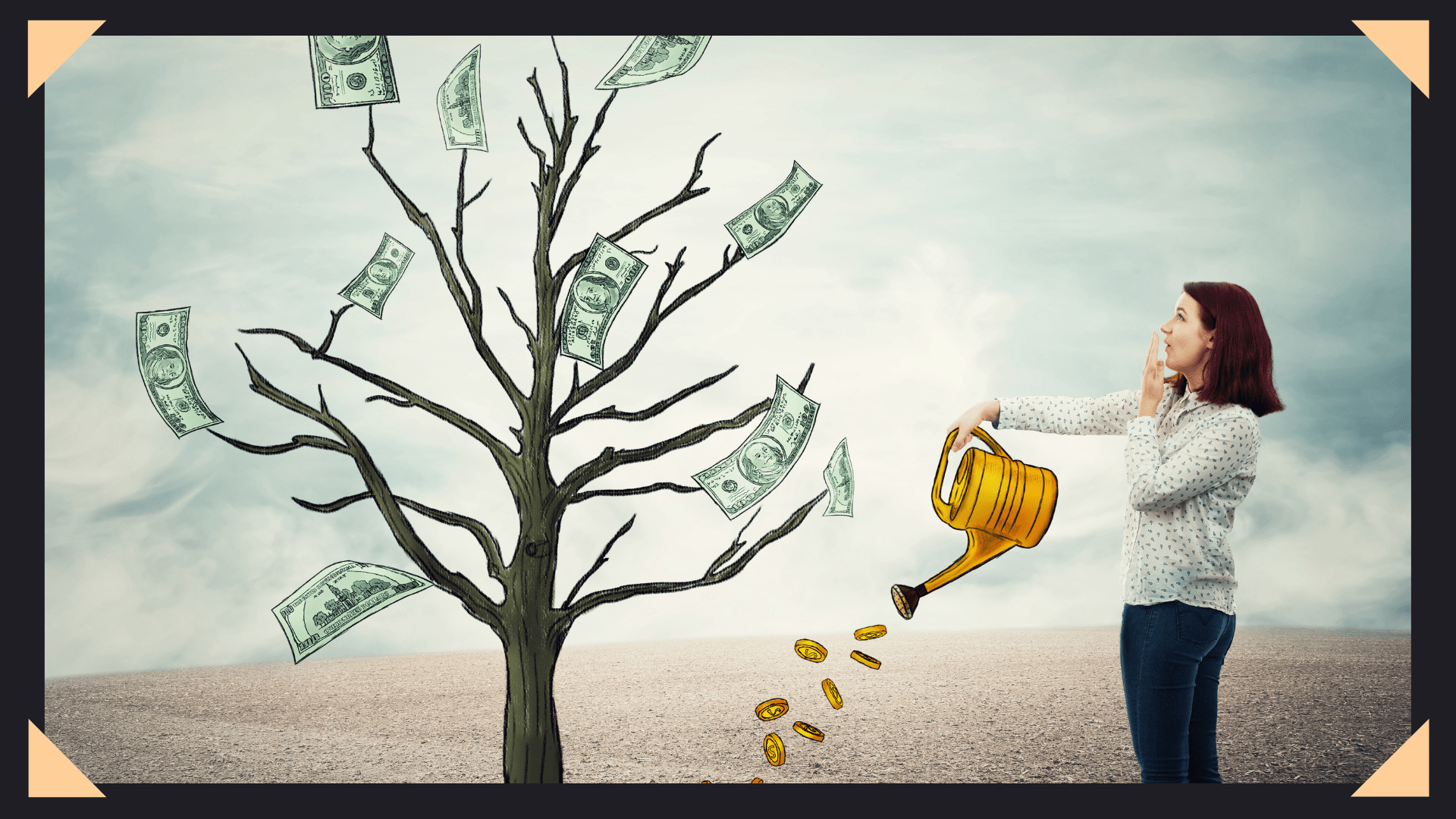
If you’ve ever felt like you’re constantly chasing your next commission, you’re not alone.
Many artists build their entire business around client work. They complete a project, get paid, and then immediately have to find the next client. The cycle repeats over and over. While commissions can be a great source of income, relying on a single revenue stream creates instability. If inquiries slow down, your income often slows down as well.
This is one of the biggest reasons many talented artists struggle to build sustainable businesses. The solution isn’t necessarily working harder. The solution is building multiple income streams.
That doesn’t mean creating ten businesses at once. In fact, trying to do too much too quickly often leads to burnout. Instead, artists should focus on building three foundational income streams that work together.
These three streams create stability, increase earning potential, and reduce dependence on any single source of revenue. If you’ve ever wondered how artists create income without constantly searching for their next client, you’ll also want to read “How Artists Make Money Without Taking More Commissions.“
Let’s look at each one.
For most artists, commissions are the fastest way to start earning money. Unlike passive income products, commissions don’t require a large audience, extensive setup, or months of development.
A client hires you. You complete the work. You get paid.
Simple.
This is why services are often the foundation of an artist’s business.
Examples include:
Services provide immediate cash flow. They allow artists to validate their skills, build experience, and start generating revenue quickly.
However, commissions have limitations. Your income is directly tied to your time. If you’re fully booked, there’s only so much work you can take on. If you’re unavailable, revenue often stops.
That’s why commissions should be viewed as a starting point—not the entire business.
The commission model creates a trap. Because commissions generate immediate income, artists often focus all their energy there. Months pass. Years pass. Eventually, they’re still trading time for money.
There’s nothing wrong with commissions. The problem is relying on them exclusively.
To build a stronger business, artists need a second income stream.
Digital products allow artists to earn money without creating custom work for every customer. Unlike commissions, digital products can be sold repeatedly. You create them once, and customers can purchase them over and over again.
Examples include:
This is where scalability begins.
Imagine spending ten hours creating a digital product. If that product sells fifty times, the return on your effort becomes significantly larger than a single commission project.
Many artists underestimate how valuable their knowledge can be. You don’t need to be famous. You don’t need a massive audience. You simply need to solve a problem for someone.
For example, a beginner artist may gladly pay for:
Digital products allow you to serve more people without increasing your workload.
The beauty of digital products is that they work alongside commissions.
Someone may discover your artwork through a commission page. They may not be ready to spend $500 on a custom illustration. However, they may happily spend $15 on a digital product.
This creates another way to monetize your audience. Instead of losing potential customers, you provide options at different price points.
That’s a powerful business advantage.
This is the income stream most artists overlook.
An audience asset is something you own and control.
Examples include:
Unlike social media followers, audience assets belong to you. Algorithms can’t take them away. Platform changes don’t eliminate them. They continue generating opportunities over time.
This is why successful creators focus heavily on building owned platforms.
Imagine two artists.
Artist A has 20,000 social media followers.
Artist B has 1,000 email subscribers.
Most people assume Artist A is in a better position.
But when it’s time to launch a product, Artist B often has a major advantage.
Why?
Because email subscribers have already given permission to hear from them. They’ve demonstrated interest. They’re easier to reach. And they’re often more likely to purchase.
An email list becomes the bridge connecting your commissions and products. If you’re interested in building a stronger relationship with your audience, read “How I’m Making My Email List the Lifeline of My Art Business.” An engaged email list can become one of the most valuable assets in your entire creative business.
Your website acts as the central hub of your business.
It can showcase your portfolio, collect leads, sell products, publish content, and generate commission inquiries.
Most importantly, it gives you a platform you own.
Instead of sending visitors to a social media profile, you send them to a business asset that continues working for you around the clock. Over time, this creates more stability, more visibility, and more opportunities.
That’s why every artist should understand “Why Artists Need a Website (Not Just Social Media).” A website gives you control over your audience, your content, and your future growth.
The real power comes from combining all three.
Imagine this system:
Services
You offer character commissions.
Products
You sell commission guides, templates, and digital resources.
Audience Assets
Your website, blog, Pinterest account, and email list drive traffic.
Now every piece supports the others.
Someone discovers a blog post. They join your email list. They buy a digital product. Later, they hire you for a commission.
One visitor can create multiple revenue opportunities.
That’s far more sustainable than relying on a single transaction.
Many artists focus only on immediate income. While that’s understandable, long-term success often comes from building assets.
A healthy creative business usually includes:
Each strengthens the others.
Commissions generate cash flow. Products create leverage. Audience assets create stability.
Together, they form a stronger foundation than any one income source alone.
If you’re trying to build a sustainable creative business, don’t focus on ten income streams.
Focus on the first three.
Build:
These three pillars can support nearly every stage of your growth as an artist. They help reduce risk, create more opportunities, and allow you to earn income without relying entirely on your next commission inquiry.
The goal isn’t to work more.
The goal is to build a business where each piece supports the others.
That’s where long-term creative freedom begins.
Ready to build more than just commission income?
Download the Passive Income Starter Kit for Artists and learn how to combine commissions, digital products, and audience-building strategies into a creative business that can grow for years to come and learn how to combine commissions, digital products, and audience-building strategies into a creative business that can grow for years to come.
One of the most discouraging moments for many artists is launching a website and realizing that nobody is visiting it.
Many artists believe they need to constantly create new artwork to make more money. The logic seems reasonable. More artwork
If you’re struggling to get commission inquiries, your artwork may not be the problem. Many artists assume that getting clients

Create beauty. Build it online—without the tech overwhelm.
Create beauty. Build it online—without the tech overwhelm.